Los Alamitos, CA


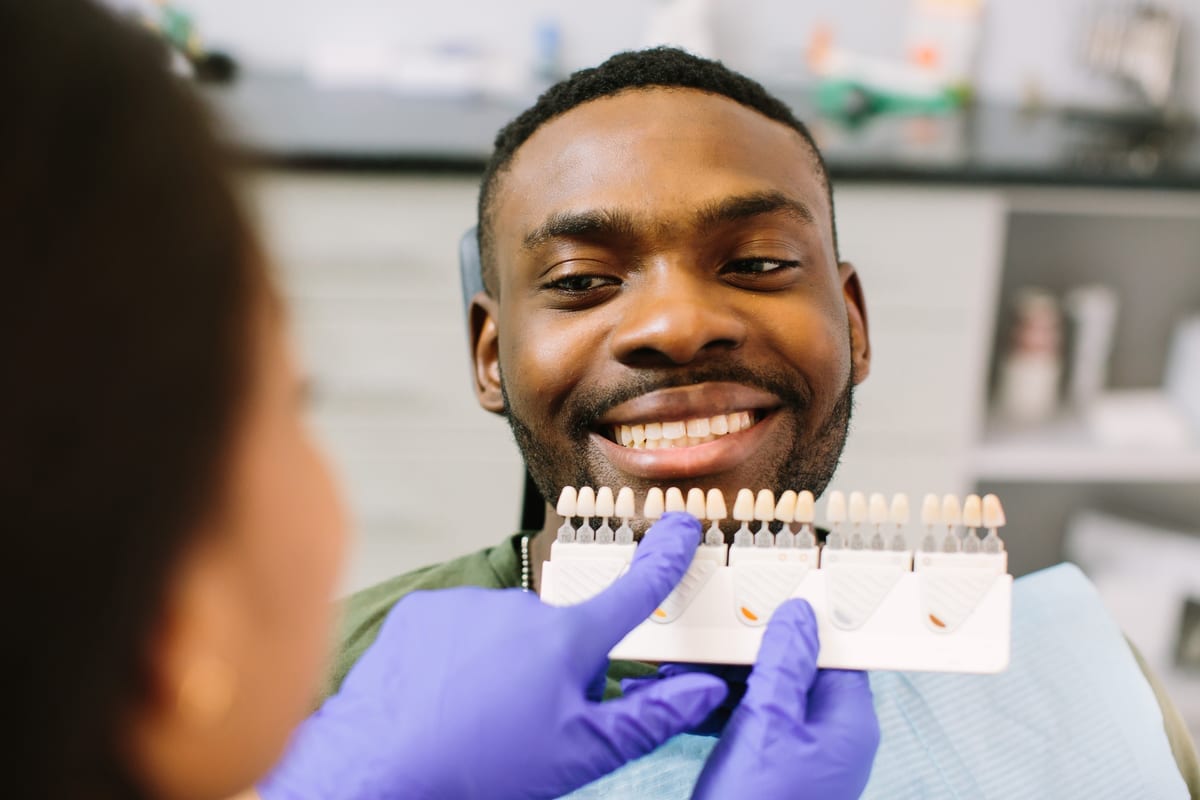
Dental Veneers Cost & Value in Long Beach, CA
Wondering if dental veneers are worth it in Long Beach? Dr. Kamelia Mallak breaks down costs, lifespan, and per-year value. Learn what to expect.
If you’ve been researching smile makeovers, you’ve probably asked: are dental veneers worth the investment? A cost breakdown in Long Beach can help you answer that question confidently. Veneers are one of the most popular cosmetic treatments — but the price tag often gives people pause. Understanding what drives the cost, and how long veneers realistically last, changes the entire conversation.
Dr. Kamelia Mallak at My Family Dentist has helped many Long Beach patients evaluate this decision. The goal isn’t to sell you on veneers. The goal is to give you clear, honest information so you can choose wisely.
What Drives the Cost of Dental Veneers in Long Beach?
Veneer pricing isn’t random. Several specific factors determine what you’ll pay per tooth. Knowing these factors helps you compare quotes and understand value.
The material matters most. Porcelain veneers typically cost more than composite resin veneers. Porcelain looks more natural and lasts significantly longer. Composite resin costs less upfront but may need replacement sooner.
Here are the main cost drivers to consider:
- Material type: Porcelain veneers range from $1,000 to $2,500 per tooth in California. Composite veneers often run $250 to $1,500 per tooth.
- Number of teeth treated: Most patients veneer 6 to 10 front teeth. More teeth means higher total cost.
- Lab quality: Custom, high-end dental labs produce more natural-looking results. Premium lab work costs more.
- Dentist experience: A skilled cosmetic dentist charges more. The results, however, tend to be significantly better.
- Pre-treatment needs: Some patients need gum reshaping or tooth prep work before veneers can be placed.
In Long Beach, expect porcelain veneers to run between $1,200 and $2,000 per tooth on average. A full smile of eight veneers could cost $9,600 to $16,000 total. That number feels large — until you calculate cost per year.
How Long Do Veneers Actually Last? The Lifespan Breakdown
Longevity is where the investment argument gets interesting. Porcelain veneers, with proper care, last 10 to 20 years. Some patients keep theirs for 25 years or longer. Composite veneers typically last 5 to 7 years before needing repair or replacement.
Let’s run the math. A single porcelain veneer at $1,500 lasting 15 years costs just $100 per year. That’s less than $9 per month for a transformed smile. Suddenly, the upfront cost looks very different.
Composite veneers at $800 lasting 6 years cost about $133 per year. They’re cheaper upfront — but more expensive annually. And you’ll go through the replacement process more often.
These factors affect how long your veneers last:
- Oral hygiene habits: Brushing, flossing, and regular cleanings extend veneer life significantly.
- Grinding or clenching: Bruxism is the number one cause of early veneer failure. A night guard protects your investment.
- Diet choices: Biting hard foods or ice can chip veneers. Minor adjustments in habits make a big difference.
- Routine dental visits: Regular checkups at My Family Dentist catch small issues before they become costly problems.
The takeaway: porcelain veneers are a long-term solution. Treat them well, and they will serve you well for well over a decade.
Veneers Compared to Other Cosmetic Options in Long Beach
Veneers aren’t the only way to improve your smile. It’s worth comparing them to other treatments to understand the value they provide. Some patients find alternative options are a better fit for their goals.
Teeth whitening is the most affordable cosmetic option. Professional whitening in Long Beach typically costs $300 to $600. However, whitening only addresses discoloration. It cannot fix chips, gaps, or shape issues.
For damaged or severely worn teeth, Porcelain Crowns Caps may be a stronger option. Crowns cover the entire tooth and offer excellent structural protection. They’re often recommended when a tooth has significant decay or damage that veneers can’t address.
For patients with missing teeth, Porcelain Fixed Bridges offer another cosmetic and functional solution. Bridges replace missing teeth while blending naturally with surrounding teeth. They serve a different purpose than veneers but are worth understanding as part of your full smile plan.
Veneers occupy a unique space. They transform healthy but imperfect teeth. They correct multiple aesthetic concerns at once — color, shape, size, and minor alignment. No other single treatment does that as completely.
Is the Investment Right for You? Key Questions to Ask
Not everyone is a candidate for veneers — and that’s okay. The right treatment depends on your specific teeth, goals, and oral health. Dr. Mallak evaluates each patient individually before making any recommendation.
Veneers work best for patients who have:
- Healthy teeth and gums with no active decay or gum disease
- Sufficient enamel for the bonding process
- Realistic expectations about the cosmetic outcome
- A commitment to good oral hygiene and regular dental visits
- Cosmetic concerns like staining, chips, gaps, or uneven tooth shape
Patients with severe bite problems or significant tooth decay may need other treatments first. Some may need periodontal care or restorative work before veneers are appropriate. Getting that foundation right protects your investment long-term.
The consultation appointment is where everything becomes clear. Dr. Mallak will examine your teeth, discuss your goals, and give you an honest assessment. You’ll leave with a specific plan and a clear cost estimate — no guessing required.
Making the Decision: Long-Term Value Over Upfront Cost
The smartest way to evaluate veneers is to think in years, not dollars. A high-quality porcelain veneer that lasts 15 to 20 years is one of the most cost-effective cosmetic investments in dentistry. The daily cost is genuinely minimal.
Beyond the math, consider the impact on your daily life. Patients who invest in veneers often report greater confidence at work, in social settings, and in photographs. That kind of benefit is hard to put a number on — but it’s real and meaningful.
At My Family Dentist in Long Beach, we believe every patient deserves to make informed decisions. We walk you through cost, expectations, care requirements, and realistic outcomes before any treatment begins. There are no surprises.
If you’ve been wondering whether dental veneers are worth the investment in Long Beach, the answer often comes down to your specific situation. The best next step is a conversation with Dr. Kamelia Mallak. Book Now to schedule your appointment with our team.
Frequently Asked Questions
How much do porcelain veneers cost per tooth in Long Beach, CA?
Porcelain veneers in Long Beach typically cost between $1,200 and $2,500 per tooth. The exact price depends on the material, the number of teeth being treated, lab quality, and the complexity of your case. A consultation with Dr. Kamelia Mallak will give you a precise estimate tailored to your smile.
How long do dental veneers last?
Porcelain veneers last 10 to 20 years on average, and sometimes longer with excellent care. Composite resin veneers typically last 5 to 7 years. Proper oral hygiene, wearing a night guard if needed, and attending regular dental cleanings all help maximize your veneer lifespan.
Are veneers a good long-term investment compared to other cosmetic options?
Yes, for many patients, porcelain veneers offer excellent long-term value. When you calculate the per-year cost over a 15-year lifespan, the annual expense is often surprisingly low. Veneers also address multiple cosmetic concerns at once — color, shape, and size — which other treatments cannot do as comprehensively.
Can anyone get dental veneers?
Not everyone is an immediate candidate for veneers. Patients need healthy teeth and gums, sufficient enamel, and no active decay or gum disease. Some patients require preparatory treatments — like periodontal care or restorative work — before veneers are placed. Dr. Mallak evaluates each patient thoroughly during the consultation.
Do dental veneers require special care after placement?
Veneers don’t require a complicated routine, but a few habits protect them well. Brush twice daily with a non-abrasive toothpaste, floss regularly, and avoid biting hard objects like ice or pens. If you grind your teeth at night, wearing a custom night guard is strongly recommended. Regular checkups at My Family Dentist also help catch any issues early.

New Patients and Emergency Appointments Welcome!
Book Online
call us