Los Alamitos, CA


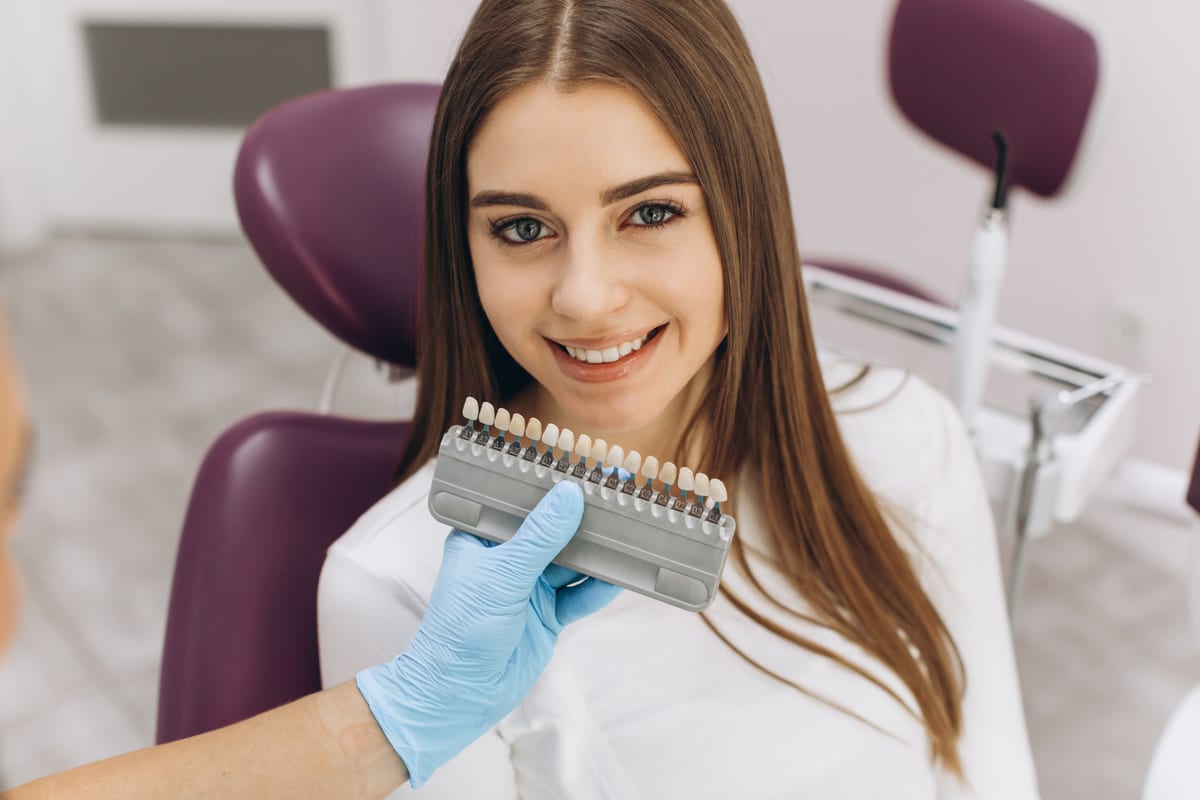
Veneer Care Tips in Long Beach, CA
Learn simple daily habits to keep your veneers flawless in Long Beach. Dr. Kamelia Mallak shares expert care tips at My Family Dentist. Book your visit today!
Getting veneers is one of the most exciting smile upgrades available. Your new veneers bring simple daily habits that keep them flawless in Long Beach — and knowing those habits makes all the difference. Veneers are durable, but they still need consistent care. At My Family Dentist, Dr. Kamelia Mallak helps patients protect their investment every step of the way.
The good news is that caring for veneers is not complicated. A few smart choices each day go a long way. This guide walks you through exactly what to do — and what to avoid — so your smile stays beautiful for years to come.
What to Avoid: Foods, Drinks, and Habits That Harm Veneers
Veneers resist staining better than natural teeth, but they are not completely stain-proof. Certain foods and drinks can dull their surface over time. Being mindful of what you consume is a key part of daily care in Long Beach’s busy lifestyle.
These are the top things to limit or avoid:
- Dark beverages — coffee, red wine, and dark tea can gradually discolor veneers
- Highly acidic foods — citrus fruits and vinegar-based dressings weaken bonding over time
- Hard foods — ice, hard candies, and crusty bread can chip porcelain
- Nail biting and chewing on pens — these habits create uneven pressure on veneers
- Teeth grinding — also called bruxism, this can crack or loosen veneers quickly
If you enjoy coffee or wine, consider rinsing your mouth with water right after. Using a straw also reduces direct contact with veneer surfaces. Small adjustments like these protect your smile without giving up what you love.
Daily Cleaning Habits That Keep Veneers Flawless
Brushing and flossing remain essential even with veneers. Veneers cover the front of your teeth, but the gum line and surrounding structure still need daily attention. Neglecting oral hygiene can cause gum disease that undermines your veneer results.
Follow these simple daily steps to keep your veneers in top condition:
- Brush twice daily using a soft-bristled toothbrush — hard bristles scratch porcelain
- Use non-abrasive toothpaste — avoid whitening formulas with harsh particles
- Floss gently once a day — pay special attention to the edges where veneers meet gum tissue
- Rinse with an alcohol-free mouthwash — alcohol can weaken the bonding cement over time
These steps take only a few minutes each day. Staying consistent keeps both your veneers and your natural teeth healthy. Dr. Mallak recommends reviewing your brushing technique at each hygiene visit to make sure you are not applying too much pressure.
How Veneers Compare to Other Restorations in Your Smile
Understanding where veneers fit in your overall dental picture helps you care for them better. Veneers cover only the front surface of teeth. They work differently from Porcelain Crowns Caps, which cover the entire tooth and handle heavier biting forces.
If you have both veneers and crowns, each restoration has slightly different care needs. Crowns generally tolerate more pressure, while veneers need extra caution with hard or crunchy foods. Knowing the difference helps you make smart choices at every meal.
Some patients also have Porcelain Fixed Bridges alongside their veneers. Bridges require special flossing tools to clean underneath them properly. Dr. Mallak tailors hygiene instructions based on your full treatment plan, so you always know exactly what each restoration needs.
Nighttime Protection: Why a Mouthguard Matters
Many Long Beach patients do not realize they grind their teeth at night. Bruxism is extremely common and often happens during sleep. This grinding puts enormous pressure on veneers and can cause chips or cracks over time.
A custom nightguard from Dr. Mallak fits precisely over your teeth. It cushions the force of grinding and protects both veneers and natural enamel. Over-the-counter guards are available, but they rarely fit as well and can shift during sleep.
If you wake up with jaw soreness or headaches, mention it at your next appointment. These can be signs of nighttime grinding. Catching the problem early saves your veneers from unnecessary damage.
Maintenance Visits: Your Most Important Veneer Habit
Even perfect at-home care cannot replace professional maintenance. Regular visits to My Family Dentist in Long Beach keep your veneers polished and properly checked. Dr. Mallak examines the edges, bonding, and surrounding gum health at each visit.
During professional cleanings, hygienists use tools and polishes safe for porcelain surfaces. They remove buildup that brushing cannot reach on its own. This kind of professional attention keeps veneers looking their brightest.
Most patients with veneers do well with visits every six months. If you have a history of gum concerns or grinding, Dr. Mallak may suggest more frequent checkups. Staying on schedule is the single most effective long-term habit you can build.
Your smile is a valuable investment. Protecting it with consistent daily habits and regular professional care ensures it stays flawless for many years. The team at My Family Dentist is here to support every step of your veneer journey in Long Beach. Book Now to schedule your appointment with our team.
Frequently Asked Questions
How long do veneers typically last with good care?
With proper daily habits and regular dental visits, porcelain veneers commonly last between 10 and 20 years. Avoiding hard foods, using a soft toothbrush, and wearing a nightguard if you grind your teeth all extend veneer lifespan significantly.
Can I whiten my veneers if they start to look dull?
Traditional whitening treatments do not work on porcelain veneers. The material does not respond to bleaching agents the way natural enamel does. If your veneers look dull, professional polishing at My Family Dentist can restore their shine. Dr. Mallak can also discuss replacement options if discoloration is significant.
Is it safe to eat normally with veneers?
Yes, you can eat most foods comfortably with veneers. However, it is best to avoid biting directly into very hard items like ice, hard candy, or whole apples. Cutting food into smaller pieces reduces pressure on the veneer edges and helps prevent chipping.
Do veneers require special toothpaste?
Veneers do best with a non-abrasive, fluoride toothpaste. Avoid products labeled as whitening or tartar-control formulas, as these often contain abrasive particles that can scratch the porcelain surface over time. Dr. Mallak can recommend a specific product based on your full dental needs.
What should I do if a veneer chips or feels loose?
Contact My Family Dentist in Long Beach as soon as possible if a veneer chips, cracks, or feels loose. Avoid trying to reattach it yourself. Dr. Mallak will assess the damage and determine whether repair or replacement is the best option for restoring your smile.

New Patients and Emergency Appointments Welcome!
Book Online
call us