Los Alamitos, CA



Why Your Teeth Whitening Isn’t Working: Intrinsic vs. Extrinsic Stains
Why isn’t your teeth whitening working? Learn about intrinsic vs. extrinsic stains in Rossmoor and discover better alternatives. Book with Dr. Mallak today.
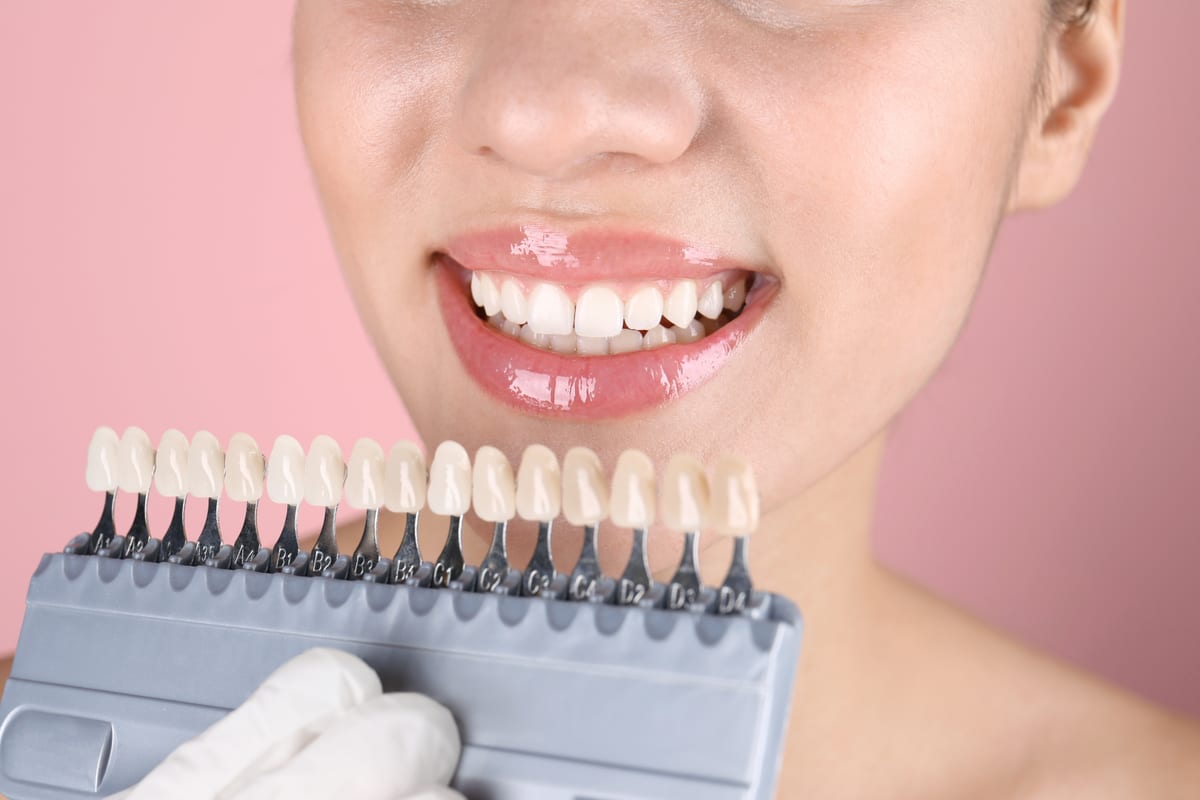
You bought the whitening strips. You tried the whitening toothpaste. Maybe you even invested in a professional-grade kit. Yet your smile still looks dull or discolored. If you live in Rossmoor and you are wondering why your teeth whitening is not working — intrinsic vs. extrinsic stains may be the answer you need. Understanding which type of stain you have changes everything about your treatment plan.
Extrinsic Stains: The Surface-Level Culprit
Extrinsic stains sit on the outer layer of your tooth, called the enamel. They are caused by things you eat, drink, and expose your teeth to over time. These are the stains that most whitening products are actually designed to address.
Common causes of extrinsic stains include:
- Coffee, tea, and red wine
- Tobacco use, including smoking and chewing
- Darkly pigmented foods like berries or soy sauce
- Poor brushing habits that allow plaque to build up
The good news is that extrinsic stains typically respond well to whitening treatments. A professional cleaning followed by a whitening treatment can produce dramatic results. However, results depend heavily on the severity of the staining and your oral hygiene habits at home.
Intrinsic Stains: Why Whitening Strips Fall Short
Intrinsic stains are a completely different story. These stains develop inside the tooth itself, beneath the enamel in the dentin layer. No amount of peroxide from a store-bought strip can reach that deep.
Intrinsic staining can happen for several reasons:
- Antibiotic use during childhood, particularly tetracycline
- Excessive fluoride exposure during tooth development
- Trauma or injury to a tooth that causes internal bleeding
- Natural aging, which thins enamel and darkens the dentin beneath
- Certain medical conditions affecting tooth development
Patients in Rossmoor are often surprised to learn that their whitening products were never designed for intrinsic stains. This is not a product failure — it is simply a matter of using the right tool for the right problem. Dr. Kamelia Mallak at My Family Dentist of Los Alamitos evaluates the type of staining before recommending any whitening approach.
How to Tell Which Type of Stain You Have
It is not always obvious whether your discoloration is intrinsic or extrinsic. Some patients have both types at once. A professional evaluation is the most reliable way to get an accurate answer.
However, there are some clues that can point you in the right direction. Extrinsic stains often appear yellow or brown and tend to be uneven across the tooth surface. Intrinsic stains frequently appear gray, dark brown, or bluish in tone and may affect one or several teeth uniformly.
If you have had a tooth that darkened after an injury, that is almost certainly an intrinsic stain. If your teeth look stained only near the gum line or in grooves, it is more likely extrinsic. A thorough dental exam gives you a clear diagnosis so you can move forward with confidence.
Cosmetic Alternatives When Whitening Does Not Work
When whitening fails because of intrinsic staining, there are highly effective cosmetic alternatives. Cosmetic Dentistry Rossmoor offers solutions specifically designed for stains that bleaching cannot fix.
Dental veneers are one of the most popular options. These thin porcelain shells bond to the front surface of your teeth. They completely cover the discoloration and can be matched to any shade you prefer. Veneers are long-lasting, natural-looking, and highly versatile.
Dental crowns are another option, especially when a tooth has darkened due to injury or decay. A crown encases the entire visible tooth and restores both appearance and function. Dr. Mallak will recommend the most conservative approach that still delivers the results you are looking for.
Composite bonding is a more affordable alternative for mild intrinsic staining. A tooth-colored resin is applied directly to the surface and sculpted into place. While bonding may not last as long as veneers, it is a great entry point for patients who want noticeable improvement.
When Discoloration Signals a Bigger Problem
Sometimes tooth discoloration is not purely cosmetic. A single dark tooth, especially one that developed color after an impact, may indicate internal damage. Leaving this untreated can lead to infection or abscess.
If you notice sudden darkening in one tooth, or pain alongside discoloration, do not wait. Emergency Dentistry Rossmoor is available for patients who need prompt evaluation. Catching internal damage early can often save the tooth and prevent more complex treatment later.
Gum disease can also affect the appearance of your teeth. Recession caused by gum disease can expose the darker root surface, making teeth look discolored near the base. Treating the underlying gum condition is an essential first step before pursuing any cosmetic work.
What to Expect at Your Whitening Consultation
At My Family Dentist of Los Alamitos, Dr. Mallak takes a thorough approach to teeth discoloration. Your consultation will involve a visual exam, a review of your dental history, and a discussion of your goals. This allows the team to identify the exact source of your staining.
If extrinsic staining is the cause, a professional cleaning and in-office whitening treatment may be all you need. If intrinsic staining is involved, Dr. Mallak will walk you through your cosmetic options clearly and honestly. There is no one-size-fits-all approach — every Rossmoor patient receives a personalized plan.
Understanding the difference between intrinsic and extrinsic stains empowers you to make smarter choices about your smile. You deserve real answers, not another whitening product that leaves you disappointed. Book Now to schedule your appointment with our team.
Frequently Asked Questions
Can professional whitening treat intrinsic stains?
Professional whitening is significantly stronger than over-the-counter products, but it still targets the enamel surface. Intrinsic stains located within the dentin typically do not respond to bleaching agents. For those cases, cosmetic solutions like veneers or bonding are more effective options.
How do I know if my staining is intrinsic or extrinsic?
The color and pattern of your discoloration can offer clues. Yellow or brownish staining that appears uneven is often extrinsic. Gray, dark brown, or bluish tones that affect the tooth uniformly are more consistent with intrinsic staining. A dental exam with Dr. Mallak provides a definitive answer.
Are veneers a permanent solution for intrinsic stains?
Porcelain veneers are a long-lasting solution, typically lasting 10 to 15 years with proper care. They fully conceal intrinsic discoloration and offer a natural, bright appearance. They are not considered permanent because they may eventually need replacement, but they provide excellent durability.
Can teeth whitening make intrinsic stains worse?
Whitening treatments will not darken intrinsic stains, but they can create an uneven appearance. If the surrounding teeth brighten but the intrinsic stain remains, the affected tooth may look darker by comparison. This is another reason why a professional evaluation before treatment is so important.
Is tooth discoloration ever a dental emergency?
Yes, in some cases it can be. A tooth that suddenly darkens after trauma may indicate internal damage or a dying nerve. This warrants prompt attention to prevent infection. If you experience sudden discoloration alongside pain or swelling, contact My Family Dentist of Los Alamitos as soon as possible.


New Patients and Emergency Appointments Welcome!
Book Online
call us