Los Alamitos, CA


Stress and Gum Disease: How to Protect Your Oral Health
Stress can affect more than just your mood and mental well-being. It has a profound impact on your overall health, including your oral health. When stress levels rise, your body’s ability to maintain optimal oral hygiene can deteriorate, increasing the risk of gum disease. Understanding this connection is crucial for maintaining a healthy smile. Read this blog to learn how
Stress can affect more than just your mood and mental well-being. It has a profound impact on your overall health, including your oral health. When stress levels rise, your body’s ability to maintain optimal oral hygiene can deteriorate, increasing the risk of gum disease. Understanding this connection is crucial for maintaining a healthy smile.
Read this blog to learn how managing stress effectively is vital in protecting your gums and ensuring long-term oral health.
Is There A Link Between Stress and Gum Disease?
Stress can trigger several harmful effects that directly impact your gums:
- Weakened Immune System: Chronic stress suppresses your immune response, making it harder for your body to fight gum infections.
- Increased Inflammation: Stress heightens your inflammation levels, accelerating gum damage and disease progression.
- Neglect of Oral Hygiene: During stressful periods, self-care routines like brushing and flossing can often get overlooked, further increasing oral health risks.
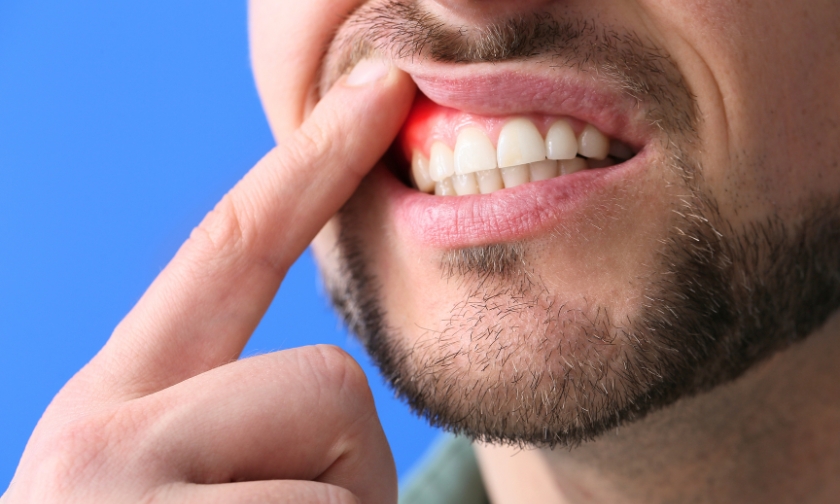
Research has consistently shown a connection between chronic stress and a higher risk of gum disease. If you are facing prolonged stress, you are more likely to develop inflamed gums, receding gum lines, and other oral health issues. Timely gum disease treatment might be able to help you.
What Signs Indicate That Stress May Be Affecting Oral Health?
Is stress starting to affect your oral health? Be aware of these signs:
- Increased Gum Sensitivity or Pain: Stress can exacerbate gum inflammation, making your gums more prone to discomfort.
- Persistent Dry Mouth: Excessive anxiety can reduce your saliva production, leaving your mouth dry and more susceptible to bacterial growth.
- Grinding (Bruxism): You might unconsciously clench your jaw or grind your teeth when stressed, leading to gums and teeth damage.
How to Protect Your Gums During Stress?
Stress Management Techniques
Reducing stress can benefit both your mental and physical well-being. Meditation and Yoga can promote relaxation and reduce tension, lowering your body’s inflammatory response. Physical activity releases endorphins to combat stress. Eat foods rich in vitamins C and D, antioxidants, and Omega-3 fatty acids to boost immune function and reduce gum inflammation.
Oral Hygiene Best Practices
You might struggle to maintain a consistent oral care routine because of stress. Brush twice daily for at least two minutes. Floss daily to remove plaque buildup. Choose fluoride toothpaste and alcohol-free mouthwash to strengthen enamel and reduce bacteria.
Lifestyle Changes
Your lifestyle habits can determine the health of your gums. Nicotine and alcohol can slow down gum tissue repair and worsen inflammation. Drink plenty of water keep your mouth moist, wash away bacteria, and promote saliva production.
When should you see a dentist for gum disease treatment?
Are you experiencing persistent gum issues? You should immediately seek professional help. Warning signs include:
- Severe gum bleeding or pain
- Receding gums
- Loose teeth or changes in your bite
Routine dental visits can help you identify gum disease at an early stage. During a check-up, the dentist will examine your gums for inflammation, recession, and plaque buildup. They can provide professional cleanings and offer you personalized care recommendations.
Stress has a profound impact on your oral health, particularly your gums. By understanding the connection between them, you can take proactive steps to manage both. Prioritize stress-reducing techniques, maintain excellent oral hygiene, and visit your dentist regularly. To protect your smile and overall well-being.
Are you ready to take good care of your gums? Schedule a consultation today!
Related Articles
New Patients and Emergency Appointments Welcome!
Book Online
call us