Los Alamitos, CA


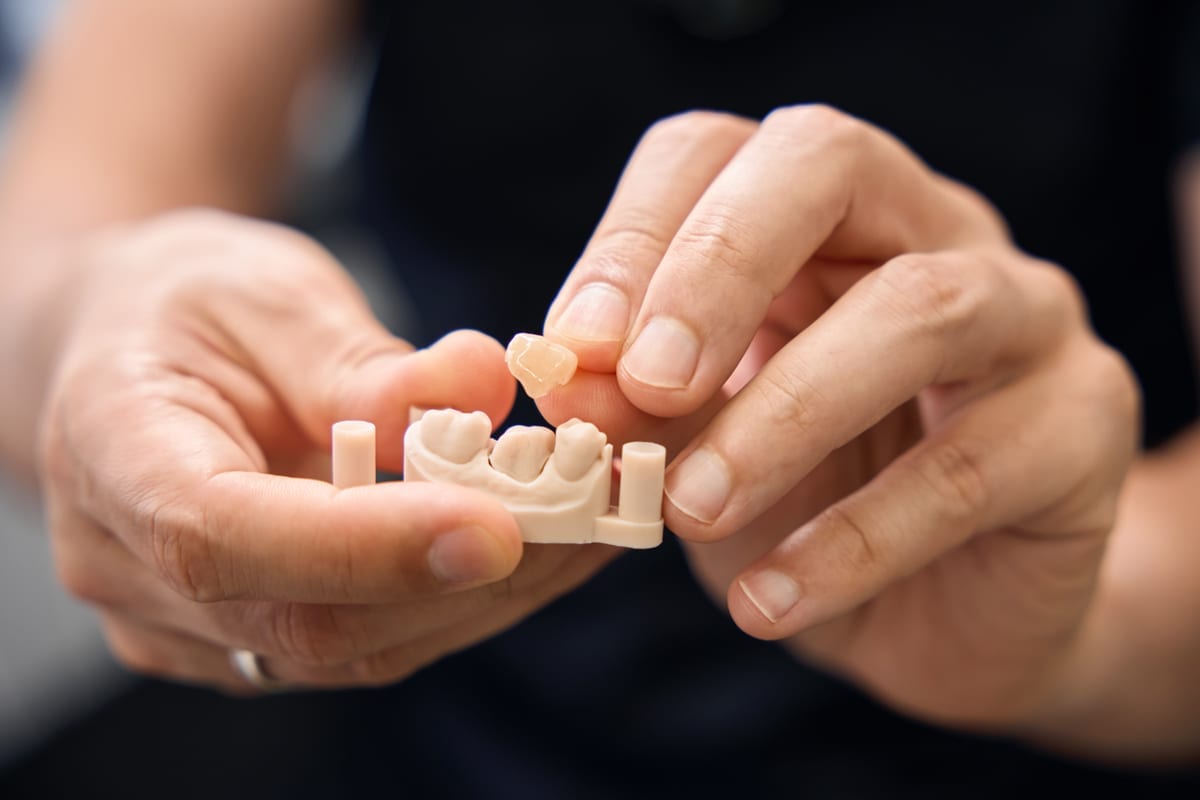
Dental Crown Care Tips in Long Beach, CA
Protect your new crown in Rossmoor! Learn sneaky habits to avoid, how to clean crown margins, foods to skip, and why night guards matter. My Family Dentist.
Getting a dental crown is a big step toward a healthier smile. But many Rossmoor patients don’t realize that daily habits can quietly damage a crown over time. Your new crown needs consistent care to last its full lifespan. Understanding what threatens it helps you protect your investment — and your oral health.
At My Family Dentist, Dr. Kamelia Mallak works with patients throughout the Long Beach and Rossmoor area. She sees the same sneaky habits causing crown problems again and again. This guide covers exactly what to watch out for — and how to keep your crown in excellent shape for years to come.
What Makes a Crown Vulnerable in the First Place?
Porcelain Crowns Caps are strong and durable, but they are not indestructible. The area where a crown meets your natural tooth — called the margin — is especially vulnerable. Bacteria can collect there if you skip proper cleaning. That buildup can lead to decay underneath the crown, which weakens it from below.
Crowns also sit under constant pressure from chewing, grinding, and clenching. Over time, repeated stress can crack porcelain or loosen the crown’s bond to the tooth. Knowing these weak points helps you understand why daily habits matter so much. Small decisions add up quickly when it comes to crown longevity.
Sneaky Habits That Damage Your New Crown — Rossmoor Patients Take Note
Some harmful habits don’t feel dangerous at all. That’s what makes them so sneaky. Here are some of the most common ones Dr. Mallak sees in Rossmoor patients:
- Chewing ice: Ice is hard enough to chip or crack porcelain crowns.
- Biting fingernails: This puts uneven, repeated stress on your crown.
- Opening packages with your teeth: This can dislodge or crack a crown instantly.
- Chewing on pen caps or pencils: Constant low-level pressure weakens the crown margin.
- Eating very sticky foods: Caramels and gummy candies can literally pull a crown off.
- Grinding or clenching at night: This is one of the top causes of crown failure.
Most patients are surprised by how many of these apply to them. Identifying your own habits is the first step toward changing them. Even one or two of these behaviors can shorten a crown’s lifespan significantly. Awareness is genuinely protective here.
How to Properly Clean Around Crown Margins
Cleaning around your crown takes just a little extra attention each day. The margin — where the crown edge meets your gum — traps plaque easily. Brushing alone usually isn’t enough to keep that area clean. You need to be deliberate about your technique.
Here are the key steps for cleaning around your crown properly:
- Brush at a 45-degree angle toward the gum line to sweep plaque away from the margin.
- Use a soft-bristled toothbrush to avoid wearing down the crown edge over time.
- Floss daily — slide gently under the gum line on both sides of the crown.
- Consider a water flosser for a deeper clean around tight spaces near the margin.
- Use a fluoride toothpaste to protect the natural tooth structure under the crown.
Skipping flossing is one of the biggest mistakes crown patients make. Gum disease around a crowned tooth can cause bone loss and eventually crown failure. Dr. Mallak recommends treating your crown like a natural tooth — because the tooth underneath still needs protection. Consistent cleaning adds years to your crown’s life.
Foods to Avoid After Getting a Crown
Your diet plays a bigger role in crown protection than most people realize. Some foods are obvious troublemakers. Others surprise patients who thought they were making healthy choices. Here’s what to watch out for in Rossmoor:
- Hard foods: Nuts, hard candies, and crusty bread put excessive force on porcelain.
- Sticky foods: Caramel, taffy, and dried fruit can pull a crown loose.
- Sugary drinks: Soda and juice feed bacteria that attack the margin area.
- Tough meats: Biting through thick cuts of meat can stress the crown repeatedly.
- Popcorn: Unpopped kernels are a leading cause of cracked crowns.
You don’t need to live on soft foods forever. But being mindful of these risks helps you make smarter choices. Cut hard foods into smaller pieces rather than biting straight through them. Small adjustments at mealtime protect your crown in meaningful ways.
Some patients also ask about Porcelain Veneers when they’re already exploring cosmetic dental work. Like crowns, veneers also require attention to diet and habits. Dr. Mallak can help you understand the care differences between the two during your consultation.
Night Guards: A Must for Rossmoor Grinders
Bruxism — the habit of grinding or clenching your teeth at night — is extremely common. Many patients don’t even know they do it. A sleeping partner might notice, or a dentist may spot the signs during a checkup. Either way, grinding puts enormous stress on crowns.
A custom night guard acts as a buffer between your upper and lower teeth. It absorbs the pressure that would otherwise go directly into your crown. Without one, a grinder can crack or chip a porcelain crown within a few years. That means repairs, replacement costs, and more time in the dental chair.
Signs that you might be grinding at night include:
- Waking up with jaw soreness or headaches
- Teeth that look flattened or worn down
- Sensitivity to temperature that worsens over time
- A clicking or popping sound when you open your jaw
Dr. Mallak creates custom-fitted night guards at My Family Dentist. A well-fitted guard is comfortable to wear and doesn’t interfere with sleep. It’s one of the smartest investments a crown patient can make. If you grind, a night guard isn’t optional — it’s essential crown protection.
Regular Checkups Keep Your Crown on Track
Even with perfect home care habits, professional checkups matter. Dr. Mallak examines the crown margin, checks the bite, and looks for early signs of trouble. Catching a small issue early prevents a much larger problem later. Crowns that receive regular monitoring last significantly longer than those that don’t.
During your visit, the team will also clean areas around the crown that are difficult to reach at home. Professional cleaning removes hardened tartar that daily brushing simply cannot address. Scheduling visits every six months keeps your crown — and your whole smile — in its best condition. These appointments are a core part of protecting your crown for the long term.
Conclusion
Your crown is a long-term dental investment that deserves daily attention. Avoiding damaging habits, cleaning the margin properly, watching your diet, and wearing a night guard all make a real difference. Rossmoor patients who follow these care tips enjoy crowns that last a decade or more. Consistent, small efforts protect your crown better than any single treatment could.
Dr. Kamelia Mallak and the team at My Family Dentist are here to help you every step of the way. Whether you have questions about your current crown or want a professional evaluation, we’re ready to help. Book Now to schedule your appointment with our team.
Frequently Asked Questions
How long should a dental crown last with proper care?
A well-maintained dental crown typically lasts between 10 and 15 years. Some crowns last even longer with excellent oral hygiene and regular professional checkups. Habits like grinding, chewing ice, and skipping flossing can shorten that lifespan considerably. Following your dentist’s care guidance gives your crown the best possible chance of lasting.
Can I still get a cavity under a dental crown?
Yes, you can. The tooth structure underneath the crown is still natural tooth material. If bacteria reach the margin area due to poor cleaning, decay can develop under the crown. This is why cleaning around the crown margin every day is so important.
Do I really need a night guard if I have a crown?
If you grind or clench your teeth, a night guard is strongly recommended. Grinding puts significant pressure on porcelain, which can crack or chip over time. A custom night guard from your dentist fits comfortably and protects your crown while you sleep. It’s one of the most effective ways to extend your crown’s lifespan.
What should I do if my crown feels loose or uncomfortable?
Contact your dentist as soon as possible if your crown feels loose, high in your bite, or uncomfortable. Do not try to fix it yourself or continue chewing on that side. A loose crown can allow bacteria to enter underneath, causing decay. Early attention from your dentist prevents more serious problems from developing.
Are there specific toothpaste types I should use for a crowned tooth?
A fluoride toothpaste is generally the best choice for cleaning around a crown. Avoid highly abrasive whitening toothpastes, as these can wear down the surface of porcelain crowns over time. Your dentist can recommend specific products based on your oral health needs and the type of crown you have.

New Patients and Emergency Appointments Welcome!
Book Online
call us