Los Alamitos, CA


Dental Veneers in Hawaiian Gardens, CA
Are you a good candidate for dental veneers in Hawaiian Gardens? Learn the key requirements — tooth structure, gum health, bite, and habits — before your consultation.
Thinking about dental veneers? You are not alone. Many patients in Hawaiian Gardens ask whether they are actually a good candidate for dental veneers before scheduling a consultation. Veneers can transform your smile dramatically. But they are not the right fit for everyone. Understanding the key candidacy factors helps you make a smarter, more confident decision.
This guide walks you through the main requirements. We cover tooth structure, gum health, bite considerations, and lifestyle habits. Use it as a self-screening checklist before your visit with Dr. Kamelia Mallak at My Family Dentist of Los Alamitos.
What Are Dental Veneers and Who Are They Designed For?
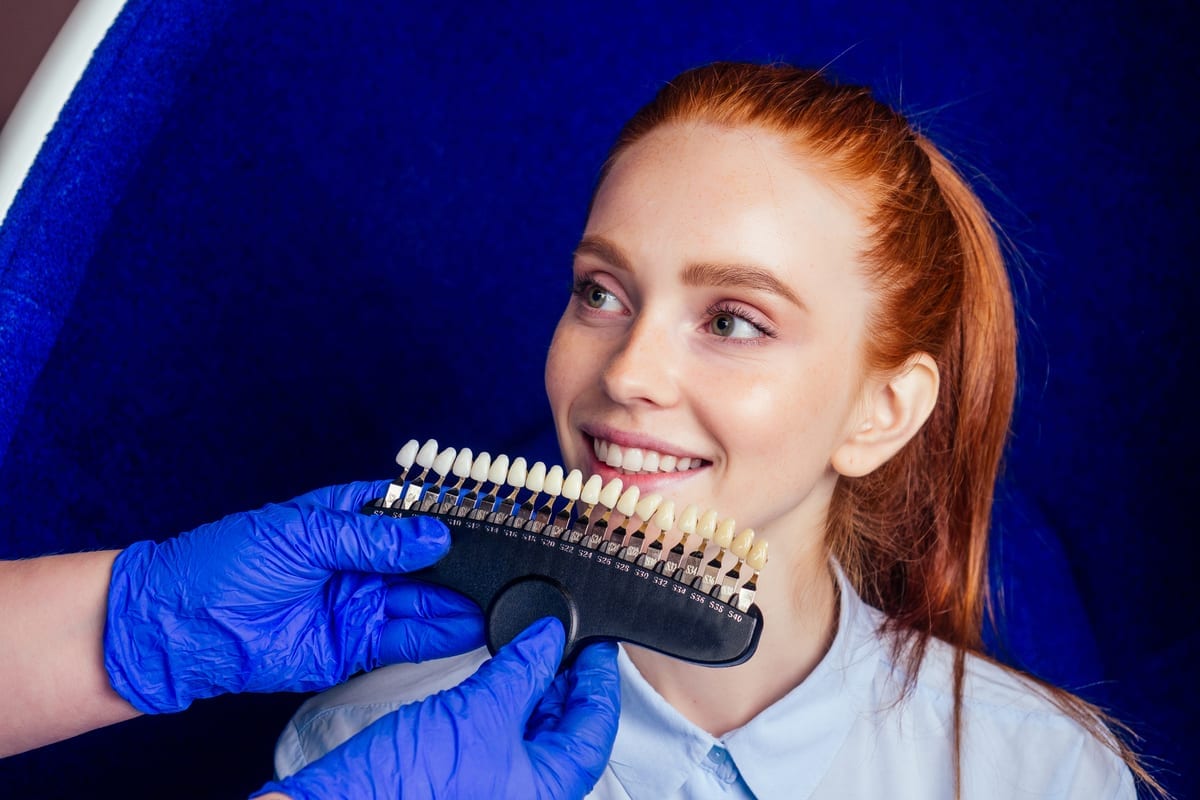
Dental veneers are thin porcelain or composite shells. They bond to the front surface of your teeth. They correct issues like discoloration, chips, gaps, and minor misalignment. Most patients choose veneers for cosmetic improvements rather than structural repairs.
Veneers work best for patients with generally healthy teeth and gums. They are a cosmetic solution, not a restorative one. If a tooth has significant decay or damage, a different treatment may be needed first. For example, Porcelain Crowns Caps are often a better choice when a tooth needs both protection and aesthetic improvement.
Knowing where veneers fit in the treatment landscape helps you set realistic expectations. Your dentist will guide you toward the right option based on your specific needs.
Candidacy Checklist: Are You Actually a Good Candidate for Dental Veneers in Hawaiian Gardens?
Before your consultation, run through this checklist. It highlights the most important factors dentists evaluate. This is not a substitute for a professional exam — but it gives you a solid starting point.
- Healthy tooth enamel: Veneers require a small amount of enamel removal. Patients with very thin or eroded enamel may not qualify.
- No active tooth decay: Cavities must be treated before veneer placement. Placing veneers over decay leads to failure.
- Good gum health: Inflamed or infected gums disqualify most patients until the underlying issue is resolved.
- Stable bite: Patients with severe bite misalignment may need orthodontic treatment first.
- No bruxism (teeth grinding): Grinding places excessive force on veneers and shortens their lifespan significantly.
- Realistic expectations: Veneers improve appearance but do not correct severe structural or alignment problems.
- Commitment to maintenance: Patients must be willing to care for veneers properly long-term.
If most of these points describe your situation, you are likely a strong candidate. If several raise concerns, your dentist can help address them before moving forward.
Tooth Structure and Enamel Requirements
Your enamel health is one of the most critical factors. Placing veneers requires removing a thin layer of enamel. This process is irreversible. If your enamel is already thin or weakened, this step can compromise the tooth further.
Patients with significant enamel erosion — often from acid reflux or acidic diets — may not be ideal candidates. Your dentist will measure enamel thickness during the evaluation. Enough healthy enamel must remain after the prep work.
Teeth with large fillings or previous restorations need extra scrutiny. In some cases, a Porcelain Fixed Bridges solution may serve as a better alternative depending on adjacent teeth. Every case is unique, and Dr. Mallak evaluates each patient individually.
Gum Health and Why It Matters Before Getting Veneers
Healthy gums are non-negotiable for veneer candidacy. Gum disease — even in its early stages — creates problems. Inflamed gum tissue changes shape over time. This can affect how veneers fit and look after placement.
Patients with signs of gum disease must complete treatment first. Bleeding gums, gum recession, or persistent bad breath are warning signs. These issues need to be resolved before any cosmetic work begins. My Family Dentist of Los Alamitos offers Gum Disease Treatment to help patients get their gum health back on track.
Once your gums are healthy and stable, veneer placement can proceed safely. Skipping this step risks early veneer failure and long-term damage to the underlying teeth.
Bite, Alignment, and Habits That Affect Veneer Success
Your bite plays a bigger role than most patients realize. A misaligned bite puts uneven pressure on your teeth. Veneers placed under those conditions are more likely to chip or crack. Dentists assess your occlusion — how your upper and lower teeth meet — before recommending veneers.
Teeth grinding (bruxism) is another major concern. Many people grind their teeth at night without realizing it. This habit generates forces that porcelain simply cannot withstand long-term. If you grind your teeth, a custom night guard may be required alongside your veneers.
Certain daily habits also affect candidacy and longevity. Consider how your lifestyle may impact your results:
- Nail biting: Puts direct stress on veneer edges and can cause chipping.
- Chewing ice or hard foods: Increases fracture risk significantly.
- Heavy coffee, tea, or red wine consumption: Can stain composite veneers over time.
- Smoking or tobacco use: Discolors veneers and harms gum tissue.
- Poor brushing habits: Leads to decay at the veneer margins over time.
Changing or managing these habits before and after veneer placement extends their lifespan considerably. Your dental team can offer practical tips to protect your investment.
What to Expect at Your Veneer Candidacy Consultation
Your consultation at My Family Dentist of Los Alamitos is a thorough evaluation — not just a sales pitch. Dr. Kamelia Mallak will review your dental and medical history. She will examine your teeth, gums, and bite carefully. Digital X-rays help assess bone and root health beneath the surface.
If any issues are found, the team will outline a treatment plan to address them first. This may include a cleaning, gum disease treatment, or restorative work. Getting these foundational steps right makes your veneer outcome far more successful.
You will also discuss your smile goals and what changes matter most to you. This helps Dr. Mallak design veneers that look natural and complement your facial features. The consultation is your opportunity to ask every question on your mind.
Ready to Find Out If Veneers Are Right for You?
Determining whether you are actually a good candidate for dental veneers in Hawaiian Gardens starts with one step — a professional evaluation. Self-screening checklists help, but only a dentist can give you a definitive answer. Dr. Kamelia Mallak and the team at My Family Dentist of Los Alamitos are here to guide you. Book Now to schedule your appointment with our team.
Frequently Asked Questions
Can I get veneers if I have gum disease?
Not immediately. Active gum disease must be treated and stabilized before veneer placement. Placing veneers over diseased gums leads to poor fit, gum recession, and early failure. Once your gum health is restored, you can revisit the veneer process safely.
Do veneers require removing a lot of tooth structure?
No. Veneer preparation typically involves removing only a very thin layer of enamel — usually less than a millimeter. However, this process is irreversible, which is why enamel health is such an important candidacy factor before proceeding.
How long do dental veneers last?
Porcelain veneers typically last 10 to 15 years or longer with proper care. Composite veneers generally last 5 to 7 years. Good oral hygiene, regular dental visits, and avoiding damaging habits all contribute to a longer veneer lifespan.
What if I grind my teeth — can I still get veneers?
Teeth grinding does not automatically disqualify you. However, it must be managed before or alongside veneer placement. Your dentist may recommend a custom night guard to protect the veneers while you sleep. Addressing bruxism significantly improves your long-term veneer success.
Are veneers the same as dental crowns?
No. Veneers cover only the front surface of a tooth and require minimal enamel removal. Crowns cap the entire tooth and are used when more significant protection or restoration is needed. Your dentist will recommend the most appropriate option based on your specific tooth condition and goals.

New Patients and Emergency Appointments Welcome!
Book Online
call us