Los Alamitos, CA


Dental Crowns 101: Everything You Need To Know Before Your Appointment
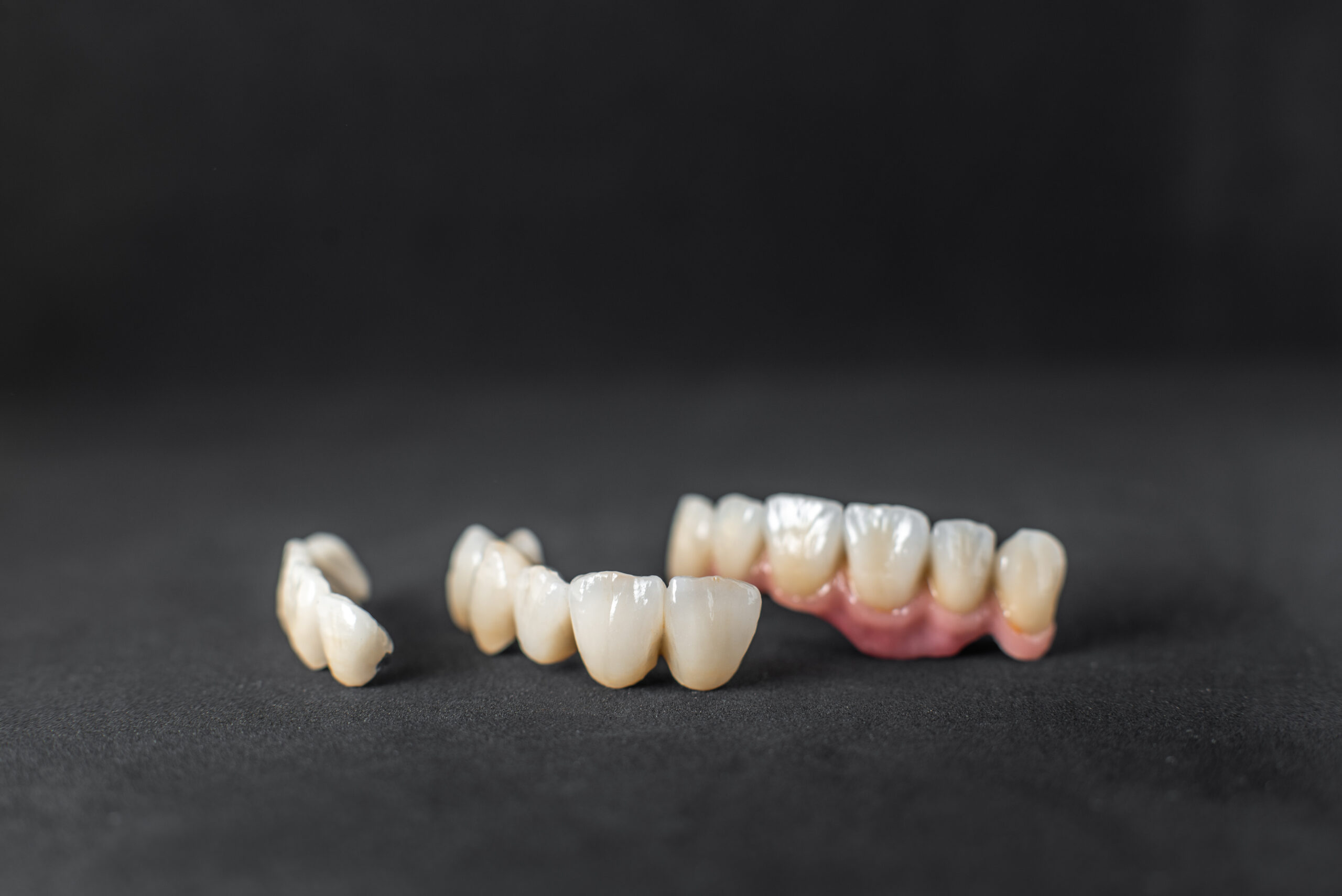
When you hear the word “crown,” you might think of royalty—but in dentistry, a crown is a strong and protective cap placed over a damaged tooth. Whether it’s from a cavity, crack, or wear-and-tear, this treatment helps restore your tooth’s strength, shape, and appearance. If a dentist recommends one, don’t worry. Dental crowns are a common and safe procedure—and this
When you hear the word “crown,” you might think of royalty—but in dentistry, a crown is a strong and protective cap placed over a damaged tooth. Whether it’s from a cavity, crack, or wear-and-tear, this treatment helps restore your tooth’s strength, shape, and appearance.
If a dentist recommends one, don’t worry. Dental crowns are a common and safe procedure—and this blog will break it all down in plain English so you feel ready and confident for your appointment.
The Detailed Procedure for Obtaining a Dental Crown
Getting a crown usually takes two visits:
Visit 1: Examination and Prep
A dentist will examine the tooth and may take X-rays to determine if dental crowns in Los Alamitos are the right solution. They’ll numb the area and reshape your tooth to make room for the crown. Then, they’ll take an impression (a mold) of your tooth and place a temporary crown to protect it.
Visit 2: Permanent Crown Placement
Once your custom crown is ready—usually in 1–2 weeks—you’ll return for fitting. The dentist will remove the temporary one, check the fit and bite of the new crown, and cement it in place.
That’s it! You’re now ready to smile and chew with confidence.
According to the American College of Prosthodontists, about 2.3 million crowns are made each year in the U.S. That’s a clear sign that they’re a trusted, go-to solution for restoring teeth.
Does It Hurt?
The idea of reshaping a tooth might sound scary, but don’t worry—you’ll be numbed throughout the procedure. Most people say it feels no worse than getting a filling. Afterward, you might feel slight soreness or sensitivity for a few days, but that fades quickly.
If you have dental anxiety, speak up! Many dentists offer comfort options like calming music, stress balls, or even sedation if needed.
How Long Do Dental Crowns Last?
With good care, a dental crown can last between 10 to 15 years, and sometimes even longer. Here’s how to make sure yours lasts:
- Brush and floss daily.
- Avoid chewing on hard things like ice or pens.
- Attend dental visits for checkups and cleanings.
- Wear a nightguard if you grind your teeth.
A crown is strong, but it still relies on healthy habits and regular maintenance.
What To Watch Out For
Though rare, there are a few things to keep an eye on after getting a crown:
- Pain when biting – the crown may need an adjustment.
- Sensitivity to temperature – this can happen at first, but usually fades.
- Loose or fallen crown – call a dentist right away.
If something doesn’t feel right, it’s better to check in early than to wait.
The Cost of a Crown
Costs vary depending on material, location, and insurance, but dental insurance often covers part of the cost if the crown is medically necessary (not just for cosmetic reasons).
It’s always a good idea to ask the dentist for a breakdown of costs before starting.
No Reason To Stress
Dental crowns are one of the most effective ways to protect, restore, and enhance your smile. They’re custom-made, long-lasting, and have helped millions of people chew comfortably and smile confidently again.
So if our dentist says you need one, rest easy—you’re in good company. With today’s advanced materials and knowledgable professionals, the procedure is safe, simple, and well worth it.
And now that you know what to expect, your next appointment should feel a lot less intimidating.
Related Articles
New Patients and Emergency Appointments Welcome!
Book Online
call us