Los Alamitos, CA


Teeth Sensitivity During Cleaning in Long Beach, CA
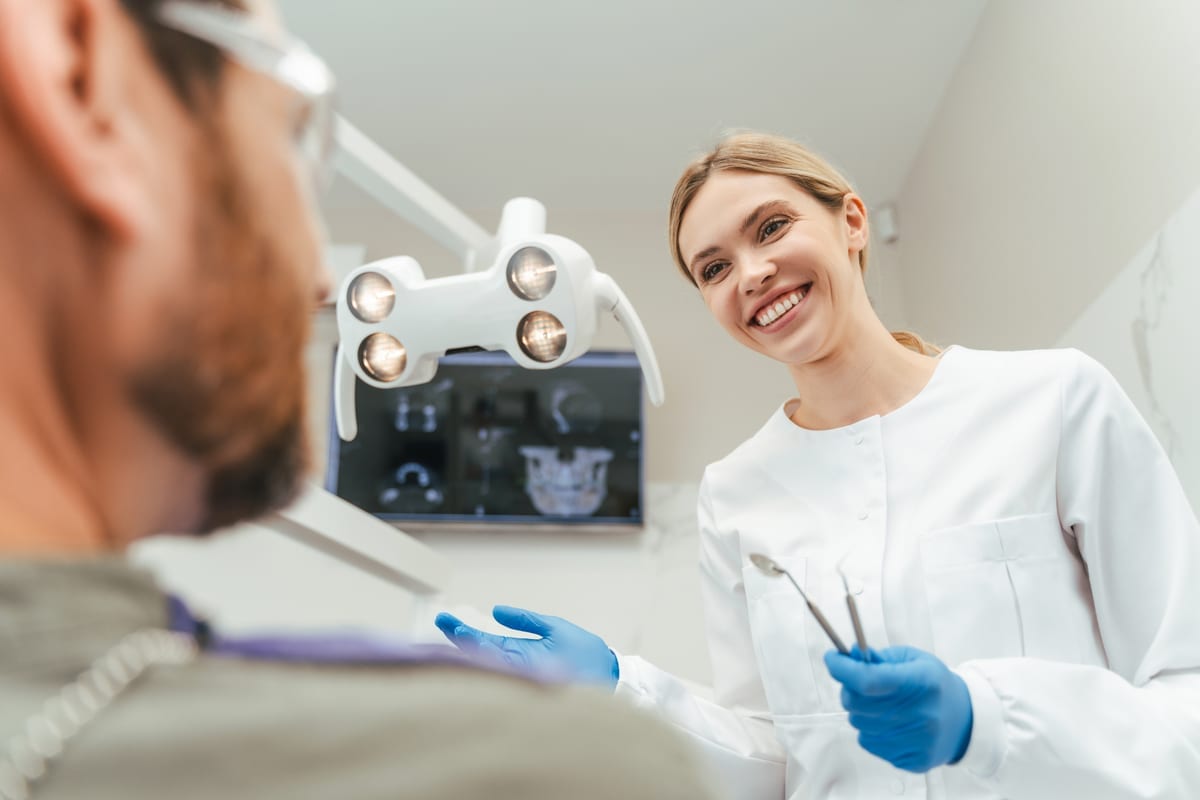
Wondering why your teeth feel sensitive during cleaning? Dr. Kamelia Mallak in Long Beach, CA explains the causes and what we do to keep you comfortable.
If your teeth feel sensitive during a cleaning, you are not alone. Many patients at My Family Dentist in Long Beach experience this exact sensation. Understanding why it happens can make your next visit much less stressful. This article explains the causes of sensitivity during cleanings and what we do to keep you comfortable throughout the process.
Tooth sensitivity during a cleaning is one of the most common concerns Dr. Kamelia Mallak hears from patients. It does not mean something is wrong with your teeth. It simply means your teeth and gums need a little extra attention and care. Knowing this helps anxious patients feel far more at ease before they sit in the chair.
Why Your Teeth Feel Sensitive During Cleaning in Long Beach
Sensitivity during a dental cleaning usually has a few straightforward causes. The most common is gum recession, which exposes the sensitive root surface of your teeth. When the hygienist’s instruments touch that exposed area, you feel a sharp or achy sensation. This is a normal nerve response, not a sign of damage.
Another common cause is enamel erosion. Acidic foods, drinks, and even acid reflux can wear down enamel over time. Thinner enamel means less insulation between the tool and the nerve. Many Long Beach patients who enjoy citrus or coffee are especially prone to this type of sensitivity.
Gum inflammation is also a major factor. Inflamed or infected gum tissue is far more reactive to touch. Even gentle scaling can feel uncomfortable when your gums are already irritated. The good news is that regular cleanings actually help reduce this inflammation over time.
- Gum recession exposing root surfaces
- Enamel erosion from acidic foods or drinks
- Gum inflammation due to plaque buildup
- Naturally sensitive teeth or thin enamel
- Gaps between teeth or worn dental work
What Happens During a Cleaning That Triggers Sensitivity
During a professional cleaning, hygienists use small metal instruments called scalers. These tools remove tartar and plaque from the surfaces of your teeth and along the gumline. When these instruments touch sensitive areas, the nerve inside the tooth can respond with a brief sharp feeling. This is especially true near the gumline where enamel ends and the root begins.
Ultrasonic scalers — which use gentle vibration and water — can also cause sensitivity in some patients. The water spray and vibration may trigger that familiar zingy feeling. This does not mean the tool is harming your teeth. It simply means those areas have heightened sensitivity at that moment.
Polishing paste used at the end of the cleaning can also be a factor. Some patients notice increased sensitivity when the paste comes into contact with exposed root surfaces. Hygienists can switch to a gentler, low-abrasive paste for patients who experience this reaction.
How We Minimize Sensitivity at My Family Dentist in Long Beach
Dr. Kamelia Mallak and our hygiene team take sensitivity seriously. We never rush through a cleaning when a patient is uncomfortable. Our first step is always to listen — we ask about your sensitivity concerns before we even begin. That information helps us customize your entire visit.
Here is what our team does to help minimize sensitivity during your appointment:
- Apply a topical desensitizing gel to sensitive areas before scaling
- Use gentler hand instruments instead of ultrasonic scalers when needed
- Take frequent breaks so you can breathe and reset
- Switch to low-abrasive polishing paste for sensitive teeth
- Adjust water temperature on ultrasonic tools to reduce nerve stimulation
We also take time to explain each step as we go. Knowing what is about to happen reduces anxiety, which in turn reduces the perception of pain. Many patients tell us they feel far more comfortable once they understand the process.
When Sensitivity Might Signal Something More
In most cases, sensitivity during a cleaning is temporary and harmless. However, sometimes it points to an underlying condition that needs attention. Significant gum disease, for example, can cause deep pockets of infection around the roots. These areas are extremely sensitive during cleaning and may require a deeper cleaning called scaling and root planing.
Cracked teeth or worn dental restorations can also amplify sensitivity. If you have older crowns or fillings, the edges may no longer seal tightly. This allows temperature and pressure to reach the tooth nerve more easily. In these situations, restoring the tooth with a new Porcelain Crowns Caps can significantly reduce ongoing sensitivity.
Similarly, if surface staining or enamel damage affects the front teeth, patients sometimes explore cosmetic options. Porcelain Veneers can cover exposed or damaged enamel and provide a more comfortable, protected surface. Dr. Mallak will assess your situation and recommend the best path forward.
Tips to Reduce Sensitivity Between Appointments
What you do at home between cleanings makes a big difference. Using a soft-bristle toothbrush protects your enamel and gum tissue from unnecessary wear. Brushing too hard is one of the leading causes of gum recession and enamel erosion in adults. A gentle circular motion works far better than aggressive back-and-forth scrubbing.
Desensitizing toothpastes — like those containing potassium nitrate or stannous fluoride — can help over time. These products work by blocking the tiny channels that lead to your tooth nerve. Use them consistently for at least two to four weeks to notice a real difference. Ask our team which formula is right for your specific sensitivity pattern.
Staying hydrated and limiting acidic foods and drinks also protects your enamel. If you grind your teeth at night, ask Dr. Mallak about a custom night guard. Grinding wears down enamel faster than almost anything else, and a guard can stop that damage in its tracks.
Conclusion: You Deserve a Comfortable Cleaning
Sensitivity during a cleaning does not have to be something you just endure. At My Family Dentist in Long Beach, we have helped hundreds of anxious patients feel genuinely at ease in the dental chair. Dr. Kamelia Mallak and our team believe that a comfortable experience leads to better long-term dental health. When patients are not afraid of the cleaning, they come back more often — and that is when real progress happens.
Whether you have mild sensitivity or significant anxiety about your next visit, we are here to help you every step of the way. Book Now to schedule your appointment with our team.
Frequently Asked Questions
Is it normal for teeth to hurt during a professional cleaning?
Yes, it is very common. Sensitivity during a cleaning is usually caused by gum recession, enamel erosion, or gum inflammation. It does not mean anything is seriously wrong. Talk to your hygienist before the appointment so they can adjust their technique to keep you comfortable.
What can I do to make my cleaning less painful?
Let your hygienist know about your sensitivity before they start. They can apply a desensitizing gel, use gentler tools, and take breaks as needed. Using a desensitizing toothpaste at home for a few weeks before your appointment can also help reduce nerve sensitivity significantly.
Why do my gums bleed during a cleaning?
Bleeding gums are usually a sign of inflammation caused by plaque buildup along the gumline. This is a common early sign of gum disease. Regular cleanings actually reduce this inflammation over time. If your gums bleed consistently, Dr. Mallak may recommend a periodontal evaluation.
How often should I get a professional cleaning if I have sensitive teeth?
Most patients benefit from cleanings every six months. If you have active gum disease or significant sensitivity, your dentist may recommend more frequent visits — typically every three to four months. More frequent cleanings help control inflammation and make each appointment progressively more comfortable.
Can a dental crown or veneer help with tooth sensitivity?
In some cases, yes. If sensitivity is caused by cracked, worn, or structurally compromised teeth, restoring them can reduce nerve exposure and discomfort. Dr. Kamelia Mallak will evaluate your teeth and discuss whether a restorative or cosmetic option is the right solution for your specific situation.

New Patients and Emergency Appointments Welcome!
Book Online
call us