Los Alamitos, CA


Teeth Whitening Not Working? Stains Explained
Why isn’t your teeth whitening working? Learn the difference between intrinsic and extrinsic stains in Signal Hill, CA, and find the right solution for your smile.
You have tried whitening strips, trays, and even professional treatments. Yet your smile still looks dull or discolored. If you are searching for answers about why your teeth whitening isn’t working — intrinsic vs. extrinsic stains in Signal Hill may be the key. Understanding which type of stain you have changes everything about how to treat it. Dr. Kamelia Mallak at My Family Dentist helps patients identify the root cause and choose the right solution.
What Are Extrinsic Stains and Why Do They Respond to Whitening?
Extrinsic stains live on the outer surface of your tooth enamel. They develop from the foods, drinks, and habits you encounter every day. Coffee, tea, red wine, and tobacco are the most common culprits. These surface-level deposits are exactly what whitening products are designed to target.
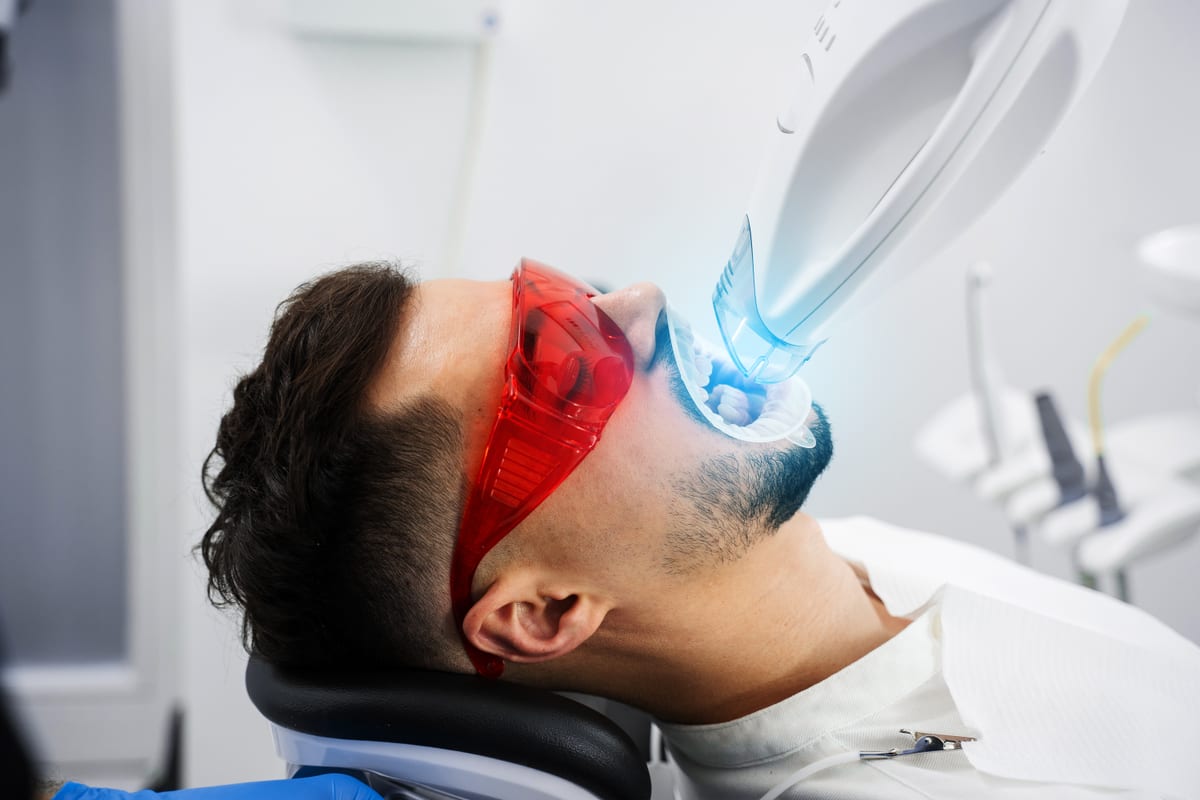
Whitening gels use hydrogen peroxide or carbamide peroxide to break apart stain molecules. When applied to extrinsic stains, they can lighten the enamel surface effectively. Professional treatments deliver stronger concentrations than over-the-counter products. That is why results from an in-office session are noticeably better than drugstore kits.
Here are common causes of extrinsic staining:
- Daily coffee or tea consumption
- Red wine and dark-colored juices
- Tobacco use — smoked or chewed
- Certain sauces like soy or tomato-based foods
- Poor brushing habits that allow buildup
If your stains fall into this category, professional whitening is likely to work well. A thorough cleaning before whitening also improves results significantly. Signal Hill patients often see dramatic improvement after addressing surface stains first.
What Are Intrinsic Stains and Why Whitening Doesn’t Fix Them
Intrinsic stains are located inside the tooth structure itself. They form within the dentin — the layer beneath your enamel. Because they exist deeper than the enamel surface, whitening peroxide cannot reach them effectively. This is the most common reason teeth whitening isn’t working for many patients.
Intrinsic stains develop from several different sources. Some form before the tooth even erupts through the gum. Others develop over time due to medications, trauma, or aging. These stains often appear as gray, brown, or dark yellow discoloration that does not respond to bleaching.
Common causes of intrinsic stains include:
- Tetracycline antibiotic use during childhood tooth development
- Excessive fluoride exposure during enamel formation (fluorosis)
- Tooth trauma that affects the inner pulp
- Natural aging, which darkens dentin over time
- Genetic conditions that affect enamel or dentin structure
- Previous root canal treatment leaving inner discoloration
No amount of whitening will reverse these stains. Patients in Signal Hill who apply whitening products repeatedly without results are often dealing with intrinsic discoloration. The good news is that other cosmetic solutions are highly effective.
Cosmetic Alternatives for Intrinsic Stains in Signal Hill
When whitening cannot fix the problem, cosmetic dentistry offers excellent alternatives. Two of the most effective options are veneers and dental crowns. Both can completely mask deep discoloration and restore a bright, natural appearance. Dr. Mallak evaluates each case individually to recommend the best fit.
Porcelain Veneers are thin ceramic shells bonded to the front surface of your teeth. They cover intrinsic stains completely and resist future surface staining. Veneers are custom-made to match your desired shade and tooth shape. They are ideal for patients with multiple discolored front teeth.
For teeth with more severe damage or structural concerns, Porcelain Crowns Caps provide full coverage. A crown encases the entire visible tooth above the gumline. This option works especially well when a tooth is both discolored and structurally compromised. Both solutions deliver long-lasting, natural-looking results.
Choosing between veneers and crowns depends on the extent of the staining and the health of the tooth. A comprehensive exam at My Family Dentist will identify the right approach. Signal Hill patients leave with a clear, personalized treatment plan.
How to Know Which Type of Stain You Have
You cannot always tell the difference between intrinsic and extrinsic stains just by looking. A dental professional needs to evaluate the color, depth, and pattern of the discoloration. Dr. Mallak performs a thorough assessment before recommending any whitening or cosmetic treatment. This step prevents wasted time and money on treatments that will not work.
During your exam, the dentist will review your dental and medical history. Information about past medications, trauma, or fluoride exposure helps identify the stain type. The location and color of the staining also provide important clues. Gray or banded discoloration often points to tetracycline or fluorosis origins.
Signs that you may have intrinsic staining include:
- Whitening products have shown no improvement after multiple uses
- Discoloration appears uniformly across one or more teeth
- The shade is grayish, bluish, or dark brown rather than yellow
- You had antibiotic treatment as a child
- The tooth experienced trauma or had a root canal
Getting a proper diagnosis is the most important step. Once you know the stain type, the treatment path becomes much clearer. Signal Hill residents should not keep guessing — a professional evaluation saves time and frustration.
What Signal Hill Patients Can Expect at My Family Dentist
At My Family Dentist, Dr. Kamelia Mallak takes a thorough, educational approach. She explains why your current whitening efforts have not worked and what will actually help. The goal is always to give patients clear answers — not just products. Every recommendation is based on what your specific teeth need.
For extrinsic stains, professional whitening combined with a cleaning often delivers excellent results. For intrinsic stains, the practice offers both porcelain veneers and crowns to restore your smile. Cosmetic consultations help patients understand all available options without pressure. My Family Dentist serves patients throughout Signal Hill and the greater Long Beach, CA area.
Conclusion: Stop Guessing and Start Treating the Right Stain
Understanding why your teeth whitening isn’t working — intrinsic vs. extrinsic stains in Signal Hill — is the first step toward a brighter smile. Surface stains respond well to whitening. Deep, structural stains require a different approach entirely. Knowing the difference saves you from repeated disappointment and unnecessary expense.
Dr. Mallak and the team at My Family Dentist are ready to help you identify your stain type and create a personalized treatment plan. You deserve a smile that actually reflects the effort you put in. Do not keep buying products that cannot fix the underlying issue. Book Now to schedule your appointment with our team.
Frequently Asked Questions
Why isn’t my teeth whitening working even after multiple treatments?
If whitening is not working after several attempts, you likely have intrinsic staining. Intrinsic stains form inside the dentin layer of the tooth, where whitening peroxide cannot reach. Professional treatments like veneers or crowns are designed specifically for this type of discoloration. A dental exam will confirm the cause and guide the right solution.
What is the difference between intrinsic and extrinsic tooth stains?
Extrinsic stains sit on the outer enamel surface and are caused by food, drinks, and tobacco. They typically respond well to whitening treatments. Intrinsic stains develop within the tooth’s dentin and are caused by medications, trauma, fluorosis, or aging. Whitening cannot effectively treat intrinsic stains.
Can veneers fix teeth that whitening could not improve?
Yes, porcelain veneers are one of the most effective solutions for intrinsic discoloration. They bond to the front of the tooth and completely mask deep staining. Veneers are custom-shaded to give a natural, bright appearance. Dr. Mallak can assess whether veneers are the right option for your specific case.
How long does professional teeth whitening last for extrinsic stains?
Professional whitening results typically last between one and three years with proper care. Avoiding staining foods and drinks helps prolong the results. Regular dental cleanings also prevent new surface stains from building up. Touch-up treatments can refresh your whitening as needed over time.
Is teeth whitening safe if I have sensitive teeth?
Whitening can cause temporary sensitivity in some patients. Professional treatments allow Dr. Mallak to monitor the process and adjust the concentration of whitening gel. Desensitizing products can be applied before or after treatment to reduce discomfort. Patients with existing sensitivity should always consult a dentist before beginning any whitening regimen.

New Patients and Emergency Appointments Welcome!
Book Online
call us