Los Alamitos, CA



What to Do When You Can’t Reach Your Dental Care Provider in an Emergency?
Sudden dental emergencies can leave you in pain and unsure of what to do. Knowing how to respond when your emergency dentist is unavailable can make a significant difference, whether it’s a severe toothache, a knocked-out tooth, or a broken crown. With the right actions, you might be able to save your lost tooth or stop a serious oral infection
Sudden dental emergencies can leave you in pain and unsure of what to do. Knowing how to respond when your emergency dentist is unavailable can make a significant difference, whether it’s a severe toothache, a knocked-out tooth, or a broken crown. With the right actions, you might be able to save your lost tooth or stop a serious oral infection from spreading.
Go through this guide to get practical steps to manage dental emergencies effectively and ensure your oral health remains intact.
How To Assess the Severity of the Emergency?
Before taking any action, you must assess the seriousness of your dental emergency. Some issues require immediate professional intervention, while others can be temporarily managed at home. Some common issues include:
- Persistent, intense pain can signal a dangerous infection or abscess.
- Immediate attention can increase the chances of saving a knocked-out tooth.
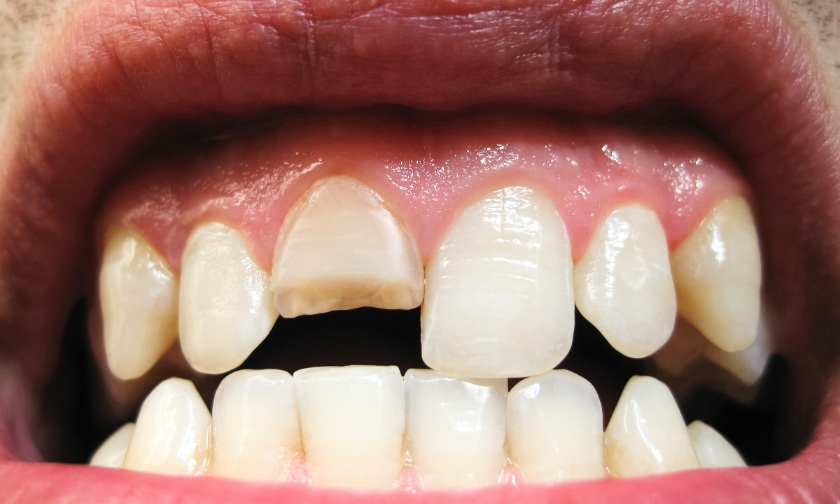
- Broken or Chipped Teeth may expose nerves, leading to severe discomfort.
- Exposed teeth from lost fillings or crowns may become sensitive or prone to damage.
You don’t need to worry too much about situations like minor tooth sensitivity, small chips without sharp edges, and mild gum irritation.
How Can You Manage The Pain and Discomfort?
If you can’t reach your emergency dentist in Long Beach immediately, these steps can help alleviate pain and protect your oral health:
- Rinse your mouth with warm saltwater to reduce inflammation for excessive tooth pain. Apply a cold compress to the affected area for 10-15 minutes.
- You can also manage the pain with over-the-counter pain relievers like ibuprofen and so on. Take them according to the prescribed dosage.
- Handle your knocked-out tooth by the crown and rinse it gently without scrubbing. If reinsertion isn’t possible, keep the tooth moist in milk or saline solution.
- Use dental wax or sugar-free gum to cover any sharp edges of broken teeth and protect your tongue or cheeks.
Can You Use Home Remedies for Specific Issues?
Several home remedies can help manage pain and discomfort until you get professional care:
- Clove Oil: Its natural antiseptic properties can reduce pain and inflammation. Use a cotton swab to apply a small amount to the affected area.
- Hydrogen Peroxide Rinse: Dilute hydrogen peroxide with water (1:1 ratio) and rinse your mouth gently to help control infection.
- Avoid Certain Foods and Beverages: Avoid extremely hot, cold, or sugary items that can worsen pain or irritation.
Are There Any Alternative Professional Care Options?
If your dentist is unavailable, consider these alternatives:
- Some clinics provide basic you with urgent dental care and may offer antibiotics or pain relief if needed.
- Even if your regular dentist isn’t available, another local practice may provide you with immediate care.
- Some pharmacies and hospitals have emergency dental services or offer guidance on where to seek urgent care.
How To Prevent Future Dental Emergencies?
While emergencies aren’t always avoidable, taking proactive steps can reduce the risk:
- Maintain Regular Dental Checkups: Routine exams can help dentists identify and address issues before they escalate.
- Use Protective Gear During Sports: Mouthguards can help you prevent trauma to the teeth and gums.
- Practice Good Oral Hygiene: Brush twice daily, floss regularly, and use antibacterial mouthwash to prevent common dental problems like cavities and gum disease.
When to Follow Up with Your Dentist?
If your discomfort refuses to subside after self-treatment, scheduling a follow-up appointment with the emergency dentist is crucial. During your visit:
- Explain all the steps you took to manage the emergency.
- Mention any medications or home remedies you used.
- Allow your dentist to assess the affected area and determine if further treatment is needed.
Dental emergencies can be distressing, but staying calm and prepared can make all the difference. By understanding how to assess the situation, manage pain, and explore alternative care options, you can safeguard your oral health until professional care becomes available. Create an emergency dental care kit to help you respond effectively during unexpected incidents.
Are you ready to protect your smile? Schedule a consultation today!

New Patients and Emergency Appointments Welcome!
Book Online
call us